Brand presentation
Logo placement, product label, carton mark, manual cover, colour use and packaging artwork. Supply editable files, colour references, language needs and the required approval format.
Sauna, Cold Plunge & Hot Tub Manufacturer · OEM / ODM
For private-label brands and product programmes
A successful OEM programme begins with a clear base product and a short list of changes that customers can understand. This guide helps business buyers prepare sauna, cold plunge and selected hot tub enquiries for Bropool without mixing branding changes, product changes and market requirements together.
Use the OEM private label wellness equipment guide to organise the brief, brand files, destination needs, sample or proof expectations, documents and approval steps. Feasibility, availability, minimum quantity, cost and schedule remain specific to the chosen product and written quotation.
Step one · choose the platform
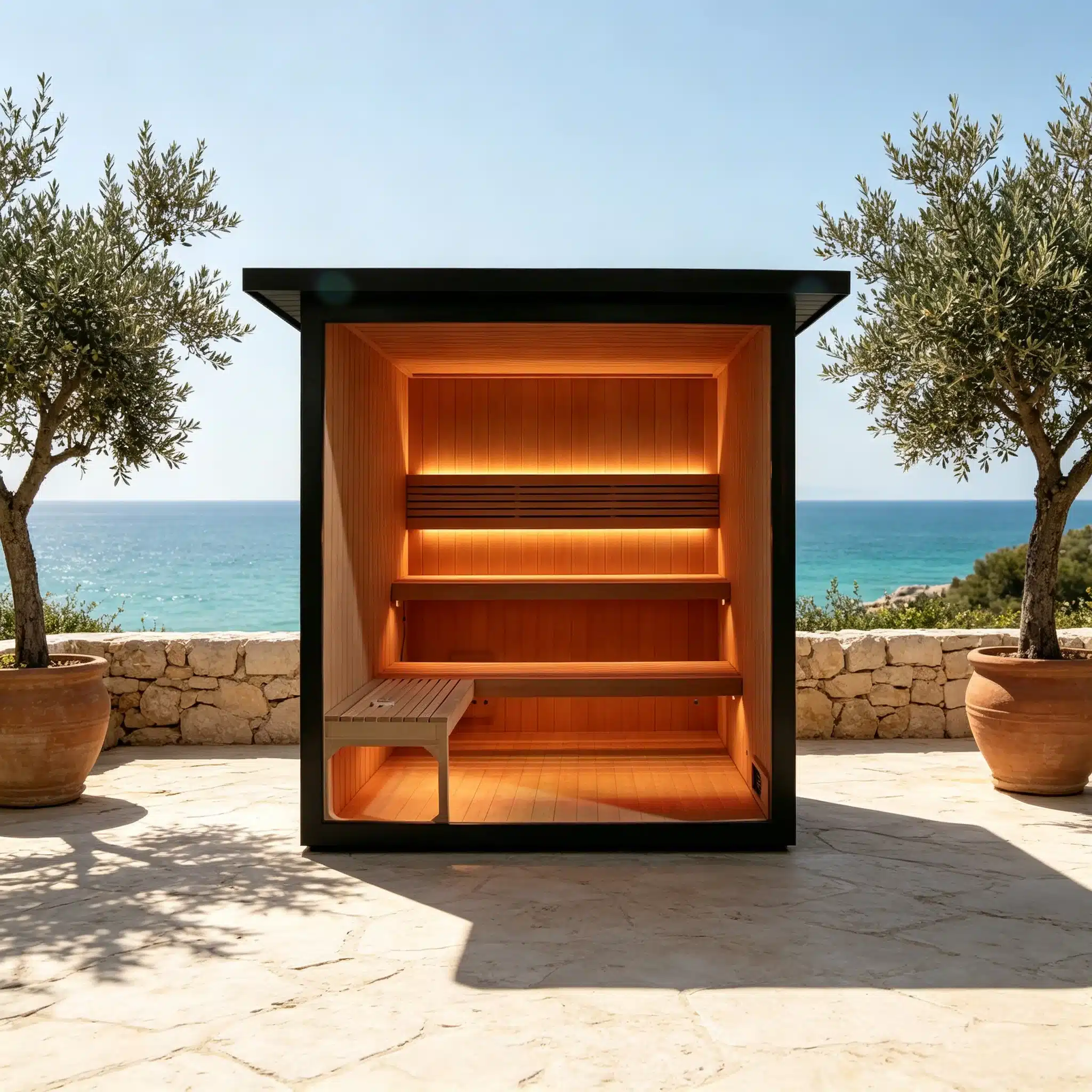
A model reference gives both sides something concrete to discuss. It connects the request to a known product form, intended use and current information. Without that baseline, a logo change, finish request or feature idea can be misunderstood as a completely new product.
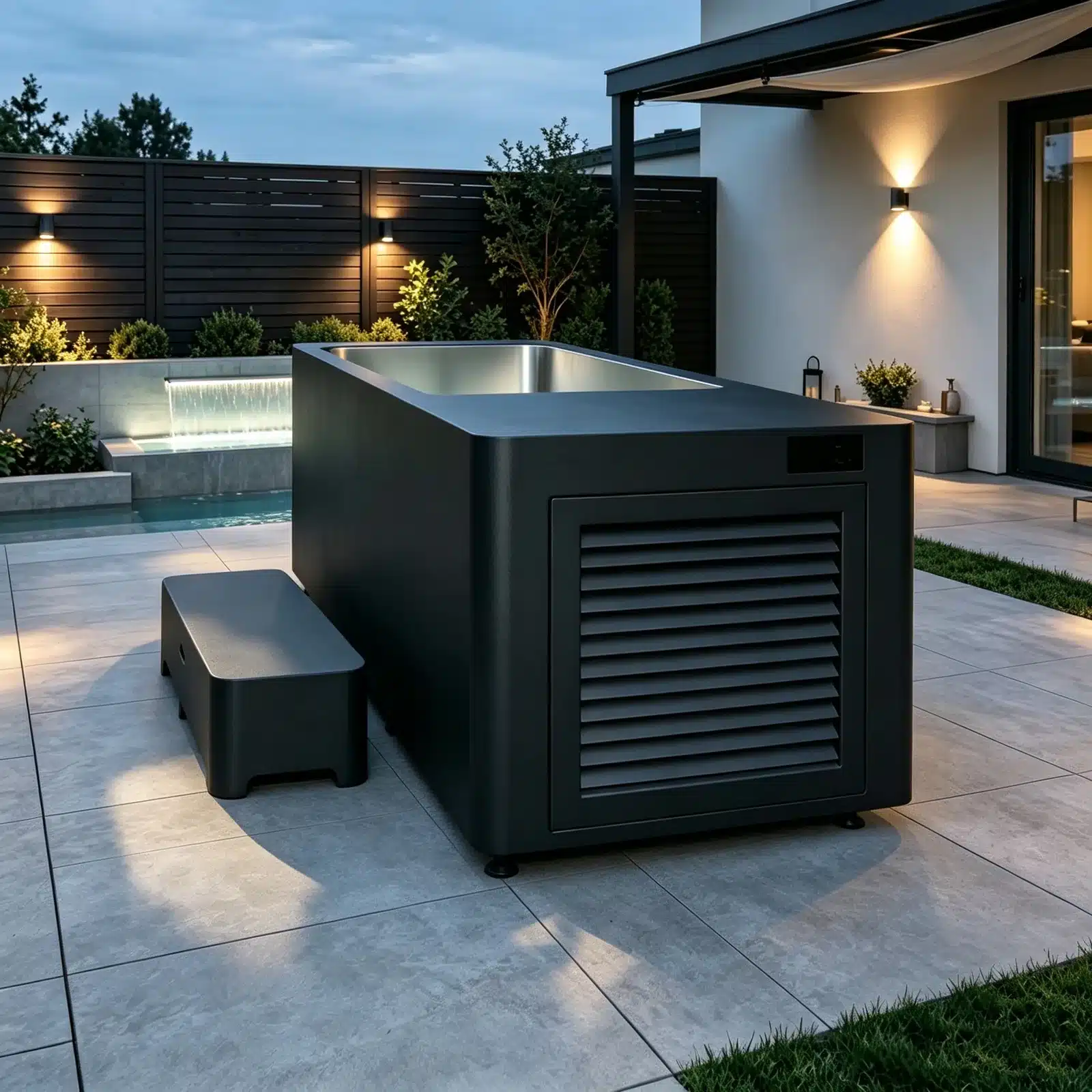
For a sauna, state indoor or outdoor position, cabin form, target capacity and preferred heat route. For a cold plunge, state tub form, intended use and integrated or separate equipment preference. For a hot tub, state the intended setting, capacity direction and heating arrangement. Add the destination and sales channel for every category.
Make the change list easy to read
Clear categories help Bropool answer each request at the right level. A visual branding update usually follows a different path from a change that affects materials, structure, components, wiring, water systems or installation.
Logo placement, product label, carton mark, manual cover, colour use and packaging artwork. Supply editable files, colour references, language needs and the required approval format.
Finish, glazing, control presentation, included accessories or other options that may already exist for the selected platform. Confirm availability for the exact model and market.
Dimensions, structure, heater or chiller arrangement, electrical parts, plumbing, safety-related items or performance changes. These need a deeper feasibility and validation discussion.
Market and channel fit
A product that looks suitable in one market may need different documents, labels, manuals, electrical arrangements, packaging or installation information elsewhere. The brand should state where the product will be sold and who will make the next approval decision.
| Brief area | What the buyer should provide | Why it affects the programme |
|---|---|---|
| Destination | Country or region, intended sales channel and whether the product is for retail, distribution or a commercial project. | Document, label, electrical, packaging and support needs can vary. |
| Customer | Target user, expected setting, capacity direction and the main reason for purchase. | The base product and product story should match a real customer decision. |
| Brand system | Logo files, colour references, language, label content, manual needs and packaging direction. | Artwork can be reviewed consistently across product and packing. |
| Product requirements | Essential features, acceptable alternatives and changes that must be evaluated. | The team can separate available choices from new development. |
| Approval route | People responsible for product, design, compliance, purchasing and final sign-off. | Questions and approvals reach the correct decision-maker. |
Sample and approval sequence
The exact route depends on the product and requested changes, but a disciplined sequence helps prevent artwork, options or assumptions from moving ahead without agreement.
Name the base product, market, quantity, essential changes and open questions.
Bropool reviews what can be considered and what information or testing may be needed.
Review the agreed physical sample, artwork proof or other approval item when applicable.
Record the accepted product choices, artwork and documents using clear versions.
Confirm quantity, included scope, packing, schedule and commercial terms in writing.

Product and production fit
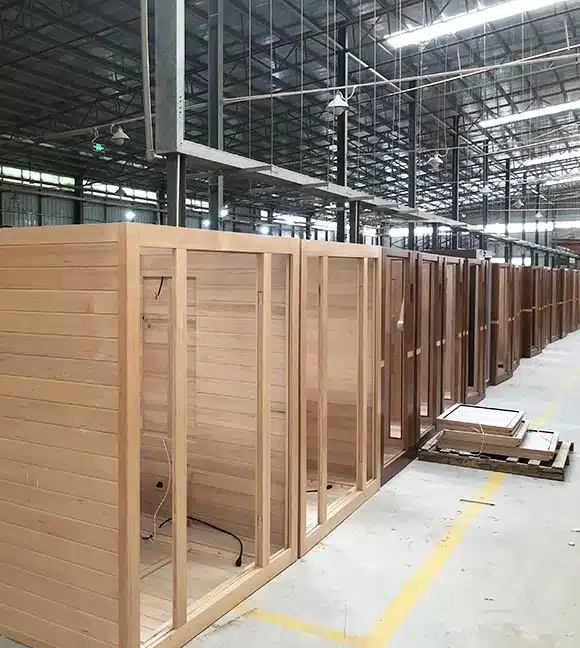
Artwork is only one part of a private-label programme. A label or manual must identify the correct product, and packaging must match the approved included items. If the product configuration changes, related documents, images and packing information may also need review.
Bropool can discuss changes against the selected platform and current manufacturing information. The buyer should provide the final approved artwork, language, placement and version. Final product checks follow the written order requirements; website examples do not create a universal option list.
Do not copy an option from one photo to another model. Ask whether it is available for the exact product, quantity and destination under review.
Files that move the programme forward
Clean files reduce revision loops and make approvals easier to trace. Give every file a clear name and version, and identify who can approve it.
Editable logo artwork, colour references, label copy, manual language, packaging direction, required marks and the contact responsible for design approval.
Reference model, intended configuration, required changes, acceptable alternatives, quantity, sample expectations and any customer-facing statement that needs confirmation.
Destination, sales channel, requested documents, electrical context, local project needs and the people responsible for compliance, purchasing and final sign-off.
OEM enquiry checklist
Keep the first message practical. Describe the product and customer first, then attach or list the proposed changes. This makes it easier to identify the next question without promising a configuration before feasibility is checked.
Private-label questions
Yes. Begin with the product family, base model if known, market, quantity or programme stage and a clear list of branding and product changes. Feasibility and commercial terms are confirmed after review.
You can submit the requirement for evaluation. Structural, dimensional, component, electrical and water-system changes require a deeper feasibility discussion than logo or packaging changes.
No. Images illustrate a specific product or design direction. Confirm every option against the exact model, quantity, configuration and destination before using it in a sales plan.
Provide editable logo artwork, colour references, label and manual text, language needs, packaging direction, required marks and the person responsible for approval.
They are confirmed in the quotation after the product, changes, quantity, destination, packing, documents and approval route have been reviewed.
Next step
Share your market, customer, product route, expected quantity, brand files, required product changes, documents and target milestone. Bropool will return the next OEM questions for a written quotation.
Project enquiry
Share the company, destination, product direction and decision you need Bropool to review. The team will use the selected page and your message as the starting context.