
Before approving sauna shipping crates, identify the materials in the case, base and loose bracing, confirm which destination requirements apply, and match the actual packaging photographs to the packing list. A plywood side panel or a generic treatment document cannot answer all of those questions.
This guide is for distributors and private-label importers reviewing a shipment before dispatch. It focuses on the wood-packaging evidence, not freight rates or a complete customs process. Keep the wider supplied-form, handling and receiving decisions in the packaging and logistics plan.
Scope: The checklist below is a suggested buyer review, not a Bropool shipment inspection, packaging certification or clearance guarantee. ISPM 15 addresses a plant-pest pathway associated with wood packaging. Destination and transit requirements must be confirmed with the responsible importer, broker and relevant authority. The sauna itself needs a separate product and document review.
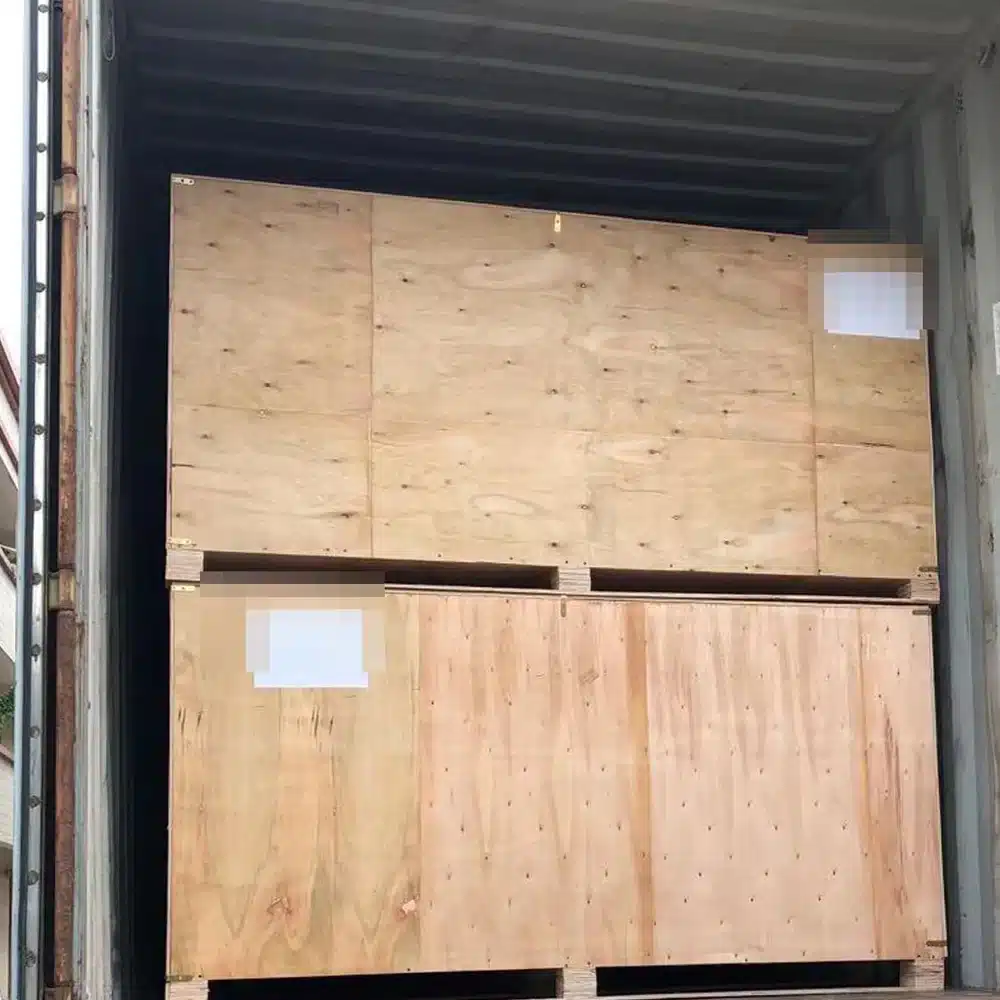
Separate the sauna timber from the shipping wood
Start with two records: the product specification and the packaging specification. Cedar, hemlock or thermo wood in the cabin does not tell you what the pallet runners or crate frame are made from. The sauna wood selection guide addresses cabin materials. Keep packaging materials on their own list.
The IPPC overview of ISPM 15 describes measures for raw-wood packaging, including dunnage, while distinguishing processed wood such as plywood. Its purpose is to reduce the spread of quarantine pests, not to establish the quality or safety of the product inside the package.
Choose the exact model from the Bropool sauna range before requesting the packing file. For example, an enquiry about the IS-1101 to IS-1104 indoor series should identify the selected size and supplied form. A product-family page or an earlier packing photograph is not the current order’s packing specification.
Check sauna shipping crates beyond the visible panels
Ask for a component description before deciding that a case is made entirely from processed wood. Look below the panels and inside the proposed construction: a case may combine sheet material, solid-wood framing, a separate pallet and loose blocking. The relevant question is what is actually being used throughout this shipment.
The table is a buyer’s evidence-request list. Material identity and any exemption must be established from the complete construction and applicable requirements, not guessed from the grain in a photograph. On a small screen, swipe horizontally.
| Component | Evidence to request | Question to resolve |
|---|---|---|
| Case walls and lid | Material description and photographs before closure. | Are the panels processed sheet material, solid timber or a combination? |
| Frame and internal braces | Construction detail identifying the members behind the panels. | Does the visible panel hide wood that needs separate review? |
| Pallet, skids and runners | Base photographs, material description and applicable mark details. | Is the supporting base included in the packaging provider’s review? |
| Loose blocking and dunnage | Loading-stage list and photographs of added wood. | Will the loader add material that was absent from the earlier crate photos? |
| Replacement or repaired parts | Updated construction record and provider confirmation after changes. | Does the evidence still describe the package being dispatched? |
If the supplier says “plywood case, no treatment needed,” ask whether that description covers the frame, base and added dunnage as well. Refer any mixed-material question to the packaging provider and destination specialist. Do not convert a statement about the wall panels into an approval of the whole shipment.
Build a photo record that belongs to the actual shipment
Request a short, organized photo set rather than a folder of unrelated workshop pictures. Each package needs an identifier that matches the packing list. Keep a wider view that locates the label or mark on that package, then a close-up that makes it readable.
- Before closure: record the permitted view of the contents, protection, internal braces and accessories against the package number.
- After closure: show the complete package, its shipping label and the relevant sides or base.
- Mark detail: retain a readable close-up and enough context to locate it on the same package. A loose photograph of a stamp is insufficient for that connection.
- At loading: identify any new blocking, replacement pallet or other packaging change. Request updated evidence if the approved arrangement changes.
Agree which photographs are available before the packing operation. Do not ask someone to enter an unsafe space, lift a loaded case or dismantle packing just to obtain a view. Arrange necessary checks with the responsible personnel while access is safe.

A supplier walkthrough can establish useful production context; the remote sauna factory audit checklist explains those limits. Shipment review is a different step. Neither this library photograph nor a past video proves what is inside today’s closed crates.
Read the mark, then keep its meaning narrow
For US-bound or US-transit freight, consult the current APHIS wood-packaging importer guidance. It describes regulated packaging and the use of accredited providers. Its mark checklist includes the IPPC symbol, a two-letter country code, a unique facility number and the treatment identifier. Ask the provider or broker to resolve an unclear, incomplete or mismatched mark; do not guess missing characters.
Check the actual wood as well as the marking. APHIS identifies illegible or absent marks and signs of pest activity as concerns. Photographs can reveal a problem worth escalating, but cannot establish that a package is pest-free or guarantee border acceptance.
A treatment mark is not a sauna certificate
Keep the packaging review separate from model-specific product compliance documents. A packaging mark does not establish the sauna’s electrical safety, the species of its interior timber, crate load capacity, weather protection or resistance to handling damage.
Likewise, a packing-provider document should be reconciled with the package, provider and relevant shipment record. Do not use a generic certificate as a substitute for checking the actual packaging. If new wood is added or a case is repaired, have the responsible provider review the change. Do not reproduce or alter an official mark as ordinary carton artwork.
Close the packaging review before dispatch
Use one short record to show what was reviewed and what remains open. This is a proposed procurement record, not an official regulatory form. Copy the fields into the order file and name the person responsible for each unresolved point. Swipe the table on small screens.
| Record field | What to retain | Open-point example |
|---|---|---|
| Order identity | Model, supplied form, order reference, package numbers and packing-list revision. | Photo label does not match the revised list. |
| Material scope | Case, frame, base and dunnage descriptions; basis for any claimed exemption. | Solid-wood runners omitted from the description. |
| Route review | Destination/transit points, relevant requirements, source date and responsible reviewer. | Transit route changed after the review. |
| Packaging evidence | Dated photo references, readable mark details and provider clarification where needed. | Only a sample crate photograph was supplied. |
| Decision and changes | Reviewer, date, accepted scope, unresolved items and changes requiring re-review. | Replacement pallet has not been checked. |
Where material identity, applicable requirements or mark legibility remains unresolved, hold the affected packaging approval and request the missing evidence. A buyer’s signed checklist does not replace an authority’s inspection or the importer’s obligations.
For private-label orders, keep ordinary brand labels and shipping artwork in the OEM approval file. Keep packaging-provider marking responsibilities separate. Carry any agreed protection, documentation and inspection scope into the sauna quotation checklist so it is not lost between a sales discussion and dispatch.
Once the shipment arrives, use the sauna delivery inspection checklist to match packages and components, document any damage and keep unresolved items separate from installation approval. A pre-dispatch packaging review does not establish the condition of the goods on arrival.
To discuss a Bropool shipment, request a model-specific packing review with the selected sauna, quantity, supplied form, destination and transit route, receiving constraints and evidence needed. Ask what can be provided for that order. Do not assume a standard wooden case, fixed package count or treatment status from a website photograph.
Prepared by Bropool. First-party packing references and official sources reviewed on 18 October 2026. Photographs provide packaging context only; the checklist does not certify a product, package or shipment.