
When a buyer receives several sauna quotations, the main risk is that each supplier may include a different cabin scope, heater route, controls, options, packing, documents and site interface. If those items are not separated in writing, two quotations that look close can describe very different products.
When to Use This Sauna Quotation Checklist
The broad RFQ brief should already define the destination, buyer type, intended use, preferred format and any must-have options. This checklist starts one step later. It helps distributors, private-label buyers and project teams compare supplier quotations line by line before accepting a scope.
The main question is simple: if you signed this quotation today, would the factory, buyer and installer understand the same product? If not, ask for the missing line item, drawing, model reference or exclusion before negotiating price.
Sauna Quote Comparison Table
| Quotation area | What to compare | Common omission to clarify |
|---|---|---|
| Base model and cabin | Model name, revision, external size, usable interior, bench layout, door and glazing. | A photo is shown but the model identity or supplied dimensions are not locked. |
| Wood and exterior finish | Interior wood, exterior cladding or coating, fasteners, roof or weather interface for outdoor units. | A broad wood name is listed without separating interior, exterior and trim materials. |
| Heater route | Electric, wood-burning, infrared or hybrid route, heater model, guard, stones or heater-adjacent parts when applicable. | The heater is described generally but not tied to cabin volume, glass area or destination requirements. |
| Controller and electrical scope | Controller model, control-panel placement, voltage/frequency assumptions and whether electrical parts are included or buyer-supplied. | The quote assumes a local site supply without naming the responsibility boundary. |
| Options and customization | Lighting, glass, porch, red-light board, branding, labels, packaging artwork and finish changes. | Options are discussed in chat but not priced or included in the written quote. |
| Packing and logistics | Assembly level, carton or crate method, fragile-surface protection, dimensions, weights and unloading assumptions. | Packing is quoted as one term with no record of what changes if the model or route changes. |
| Documents and approval records | Manuals, drawings, inspection records and any model-specific compliance document requested for the destination. | Document names are listed without matching the exact model, component or market scope. |
| Site interfaces | Foundation, access path, ventilation, drainage where relevant, clearances, local installer work and buyer responsibilities. | The supplier price is treated as an installed project price even though site work is excluded. |
Mark each quoted item as included, optional or buyer-supplied, then ask the supplier to revise any line that still depends on confirmation.
Cabin Scope
Start with the cabin itself. The quotation should identify the base model, the external footprint, the usable internal layout, the bench arrangement, door direction, glazing and roof or exterior interface. For an outdoor sauna, ask whether the supplier is quoting the visible cabin only or also weather-facing trim, roof details, porch elements or exterior finish work. For an indoor sauna, ask how the quoted cabin interfaces with the prepared room, floor, ventilation and delivery access.
Do not let a model photo become the specification. A buyer can use the Bropool Sauna Manufacturer range page to shortlist indoor and outdoor routes, then use the written quotation to confirm the exact cabin scope. If the quote names a model but the dimensions, glazing or bench layout differ from the reference page, ask the supplier to identify the revision.
Heater, Controller and Glass
Heater selection affects comfort, safety review, electrical planning and sometimes the available cabin layout. Official Harvia design guidance tells buyers to measure the sauna room and the window, door, log and stone surfaces that affect heater power requirements. Harvia’s electric-heater guidance also notes that room dimensions and glass windows or doors should influence heater suggestions. Treat that as a quotation question: has the supplier sized the heater against the actual cabin, glazing and destination configuration?
For a traditional electric proposal, use the sauna heater sizing worksheet to check internal room dimensions, glazing and calculation assumptions before accepting the quoted heater. Keep the calculation and the selected model documents with the approved cabin drawing.
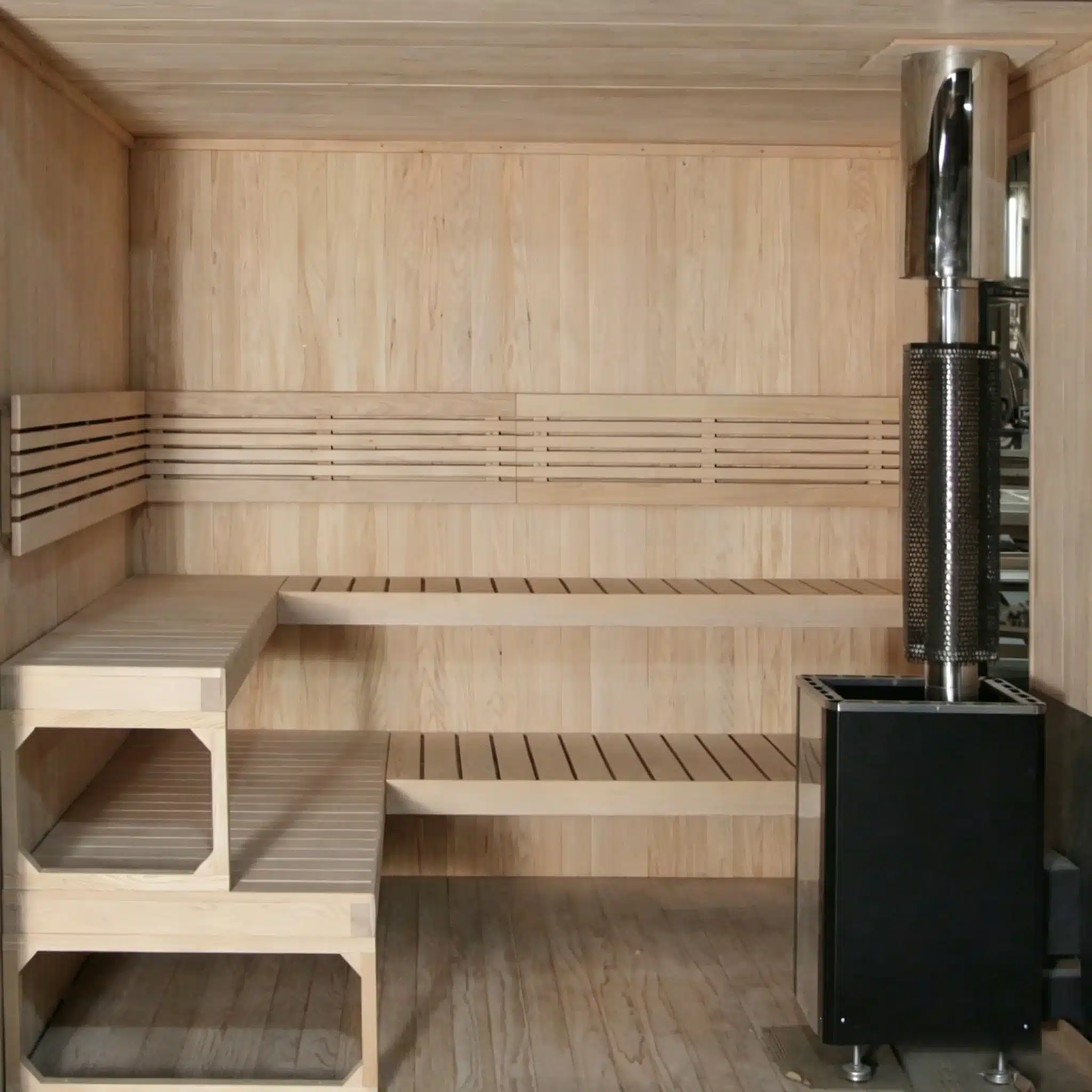
For traditional electric routes, compare heater model, guard, stones, controller, sensor assumptions and control-panel placement. For wood-burning routes, compare stove position, flue or chimney scope, fireproofing assumptions and what the buyer or local installer must provide. For infrared or hybrid cabins, compare panel type, placement and control route. Use the selected product manual and a qualified local installer to confirm installation requirements.
Options, Pricing and Approval Records
Options often create quotation gaps. A supplier may show lighting, glass, porch, red-light board, exterior color, logo plate or special packing in discussion, while the formal quote still covers the standard model. Split every option into three columns: requested, included and excluded. If the option changes electrical parts, packing size, labels, manuals or inspection records, ask for that impact before approval.
Private-label buyers should also separate brand artwork from product engineering. Label position, carton marks and instruction sheets are commercial details, but component substitutions, wiring routes, material changes and extra modules can change the technical review. Use the quotation to record where customization stops and the base model begins.

Packing, Documents and Site Work
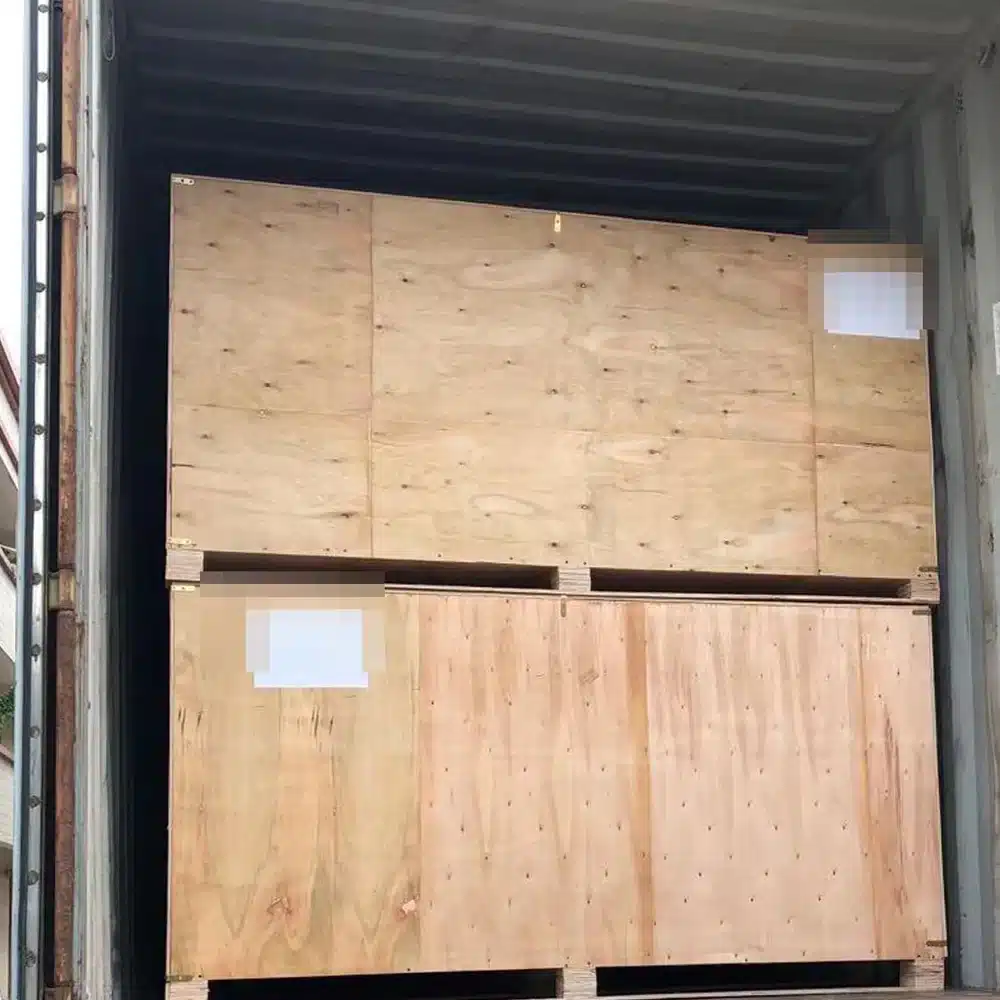
A complete sauna quote should not stop at the cabin price. Ask how the product will be packed, whether it ships assembled, flat-packed or partly assembled, which surfaces need additional protection and what the buyer must prepare for unloading. If a project has a narrow access path, upper-floor delivery or fragile glass, packing and handling assumptions should be visible before the order is approved.
Documents also need scope control. Manuals, drawings, inspection records and any requested compliance file should be matched to the selected model, component and destination. A badge, filename or old document list is not enough. Bropool’s Product Compliance and Documentation page explains why buyers should match records to exact models and configurations before relying on them.
Site interfaces are the final line. The quote should state what the supplier provides and what remains with the buyer, contractor or local installer: foundation, room preparation, ventilation, drainage where relevant, electrical connection, lifting, local permits and final commissioning. If those lines are missing, the quotation may still be useful, but it is not ready for approval.
Final Sauna Quote Approval Checklist
Ask the supplier to revise the quotation until every important item is either included, excluded or marked for confirmation. Keep the final quotation with the model reference, approved options, packing assumptions, document scope and site-responsibility notes. For new projects, prepare the broader model brief with the Sauna Specification Guide, then use this quotation checklist to compare the supplier responses. When the scope is clear, send the confirmed route through Request a Quote for a model-specific review.