
Buy cold plunge replacement filters against the installed filter assembly and an approved cartridge reference, not just the tub name or a similar-looking online listing. Before ordering, match the part number, dimensions, end-cap arrangement and sealing details, then ask the equipment supplier to confirm the proposed replacement in writing.
For distributors and private-label brands, the useful result is a parts record that purchasing, receiving and after-sales teams can all use. It should identify the equipment the cartridge belongs to, the exact item being ordered and what to do if the delivered part differs.
Scope: This is a purchasing checklist for a cold plunge configuration that uses a replaceable cartridge. It does not establish that every Bropool model uses one, approve a substitute, or prescribe a filter size, micron rating, cleaning method or replacement interval. Use the supplied configuration and current instructions for the actual unit.

Start with the filter assembly, not just the tub name
Ask which item the buyer needs: the replaceable element, the housing that contains it, a seal, or a complete assembly. Keep those items on separate order lines. A request for a “cold plunge filter” can otherwise leave the supplier and buyer discussing different parts.
Record the tub model, order reference, serial or rating-label details and the installed filtration assembly’s manufacturer and model where available. Add the cartridge markings and the current parts-list reference. If the equipment was changed after delivery, identify the replacement assembly rather than relying solely on the original quotation.
The Bropool cold plunge range and the CT-22 product record help locate the equipment discussion. They are not replacement-filter cross-reference lists. Keep the wider system specification in the Cold Plunge Buyer Specification Guide, and use a separate record for the consumable being purchased.
Do not infer the filtration package from the cooling route. The cooling-system comparison treats those as separate questions. Ask what is actually installed before choosing a replacement.
Record the shape and sealing details
Start with legible markings and a parts list. If the reference is missing, ask the supplier which views and measurements it needs. Photograph the complete element, both ends, any handle or threaded stem, and the label. Only remove or handle parts under the equipment’s shutdown and service instructions; do not open an operating or pressurized housing to get a photograph.
Pentair’s Pleatco Filter Cartridge Finder offers searches by part number, manufacturer and measurement. That illustrates a useful identification method, not proof that a pool or spa cartridge is approved for a Bropool cold plunge. A search result is a candidate to check against the actual assembly.
| Record | What to collect | What remains to be confirmed |
|---|---|---|
| Equipment and assembly | Tub and filter-assembly identity, order reference, label photos and current parts list. | The parts list applies to the installed configuration and revision. |
| Cartridge reference | All readable part numbers, manufacturer markings and packaging labels. | Which identifier is the orderable replacement, rather than a housing or batch code. |
| Dimensions | Requested dimensions, units and photographs showing where each measurement begins and ends. | The supplier’s measurement convention, including how handles, stems and end caps are treated. |
| Ends and sealing surfaces | Separate top and bottom views; openings, threads, recesses, gaskets and locating features where present. | The proposed part matches the assembly’s intended fit and seal. |
| Element specification | The supplier’s specified media, construction and stated filtration rating, with the applicable document. | The complete specification is accepted for this system; appearance alone is insufficient. |
Keep the original units and measurement notes. If a supplier uses a nominal size in its sales description, ask for the actual drawing or dimensional specification. Do not round a measurement to the nearest catalogue name or create your own acceptable fit tolerance.
Unicel’s cartridge guidance explains that sealing points position the element and prevent water bypass, and that end-cap designs vary. The purchasing implication is straightforward: matching length and diameter alone does not settle the end-cap and seal check. This is general cartridge-design guidance, not a Bropool compatibility assessment.
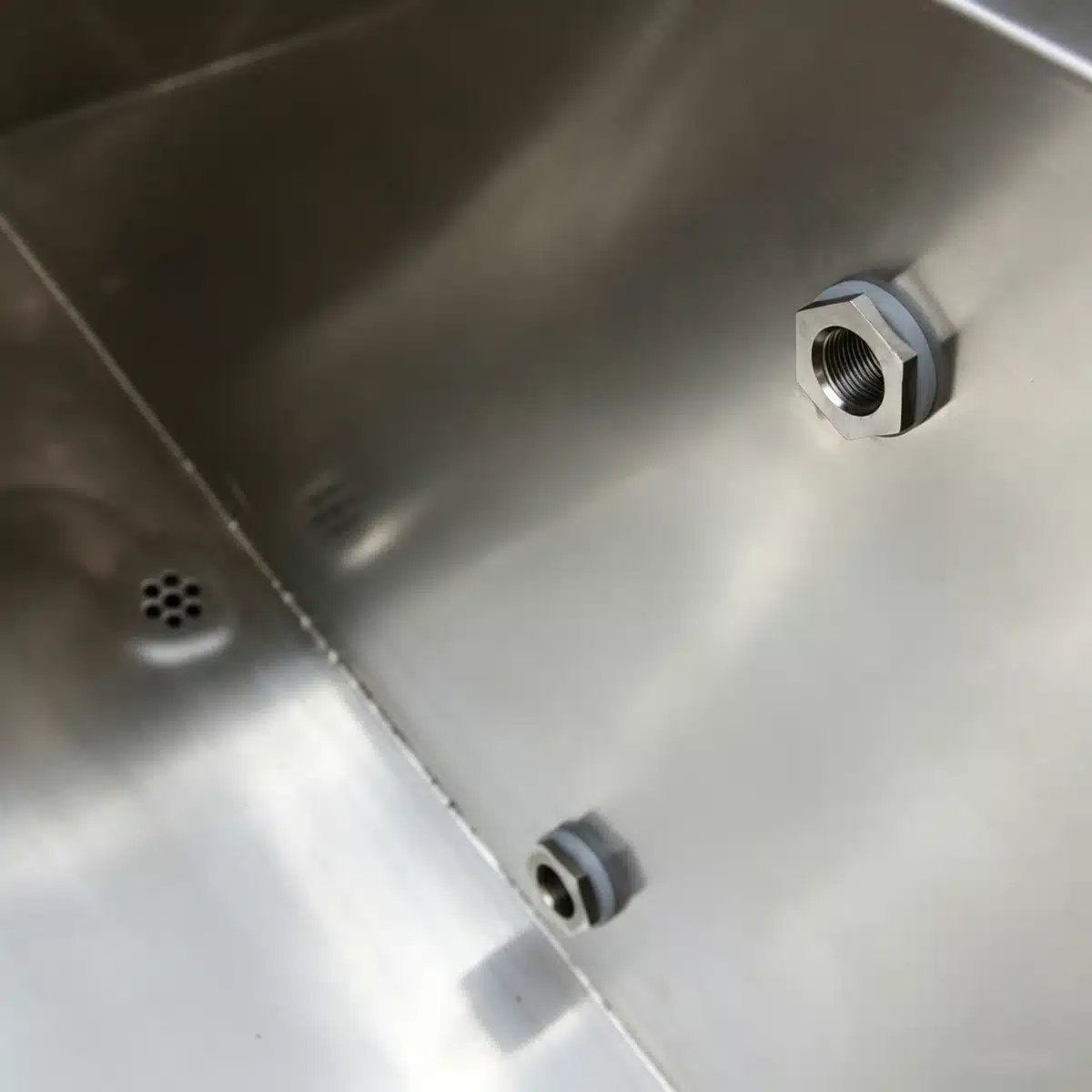
Ask for a complete match for cold plunge replacement filters
Send the identification record to the responsible equipment supplier and ask for a written response naming the proposed cartridge and the assembly it fits. If an alternative is offered, request the basis for the substitution and the differences from the original. Keep an unanswered field open rather than converting “looks the same” into an approval.
A micron label is not a complete part identity. Ask for the stated rating’s meaning and the document supporting it, alongside the media, construction and system compatibility. Do not choose a different rating as an upgrade without the equipment supplier’s acceptance. This checklist supplies no universal filter-performance target or water-treatment approval.
Confirm what the order includes: element only, any separately required seals, packaging identification and the agreed quantity. Ask whether the proposed element is disposable or may be cleaned, and request the applicable instructions. Do not assume that cleaning instructions for a visually similar cartridge apply.
Attach the confirmed parts record to the cold plunge quotation checklist. That keeps the replacement request separate from the original equipment package and makes included spares, exclusions and unresolved substitutions visible.
Check the delivery before releasing the spares
Receiving staff need the approved reference, not just a box labelled “filters.” Compare the delivered markings and visible features with the order record before putting the parts into shared stock. Photograph discrepancies with the package or order-line reference so the supplier can identify the affected delivery.
| Check | Evidence to retain | If it differs |
|---|---|---|
| Identity | Part and package labels matched to the approved order line. | Separate the delivery from approved stock and ask for clarification. |
| Visible configuration | Top, bottom, body and sealing-feature photos compared with the approved reference. | Do not trim, force or adapt a part to make it appear to fit. |
| Condition | Photographs of visible damage, with package and delivery references. | Request assessment under the applicable supply terms; do not invent acceptance tolerances. |
| Scope and instructions | Received quantity, separately ordered items and the correct care or replacement instructions. | Record shortages, missing documents and unresolved substitutions before handover. |
Unicel’s guidance also illustrates cracked end caps, broken handles and crushed pleats on new cartridges. These are useful categories to record, not a rule that every visible mark proves a defect or determines warranty responsibility. Ask the responsible supplier to assess a disputed condition.
This receiving check does not authorize installation or operation. Follow the exact equipment and component instructions for replacement, and leave unsafe or unclear work to appropriately qualified assistance.
Keep the part reference with the equipment file
Retain the approved cartridge reference, supporting documents, supplier confirmation and receiving record with the equipment identity. For a distributor managing several orders, keep each configuration separate. A later housing change should trigger a fresh parts check rather than an automatic reorder from an old photograph.
Use the maintenance and care record for the actual service history and model-specific instructions. This article does not set a calendar-based replacement interval or diagnose poor water flow. If the reason for replacement is an operating problem, send that history with the part request instead of assuming a new cartridge will resolve it.
For a private-label program, include the parts reference in the OEM configuration review. Ask how a proposed component change will be identified in the order documents, spare-parts list and instructions. Do not treat the same private-label model name as evidence that the component specification stayed unchanged.
Send Bropool a model-specific enquiry with the equipment and order reference, installed filter-assembly identity, cartridge markings, requested quantity and delivery destination. Attach the photographs and unanswered fields above, and request written confirmation of compatibility and supply scope before ordering.
Prepared by Bropool. Public identification resources reviewed on 21 October 2026. The worksheets are editorial purchasing tools, not product specifications, test results, promised stock availability or approval of a replacement cartridge.